

Django : Streamline Web Development with Powerful Features
Django: in summary
Django is a robust web framework ideal for developers seeking efficiency, scalability, and ‘don’t repeat yourself’ principles. It simplifies complex web development processes, allowing quick deployment and maintenance. Key features include an ORM system, a templating engine, and inbuilt administrative interface.
What are the main features of Django?
Efficient ORM System
Django’s Object-Relational Mapping (ORM) system effectively bridges the gap between data models and database schemas, ensuring seamless interaction with databases.
- Simplified Queries: Perform complex database queries effortlessly without SQL.
- Cross-database Compatibility: Work with multiple databases like PostgreSQL, MySQL, and SQLite with ease.
- Automatic Schema Migrations: Quickly evolve database models with migration management.
Advanced Templating Engine
Django’s templating engine facilitates the clean separation of design from business logic, promoting organised code structure.
- Reusability: Use template inheritance to reduce redundancy and maintain clean templates.
- Rich Template Language: Enjoy built-in tags and filters to enhance page rendering.
- Customisation: Create custom filters and tags to fit specific project needs.
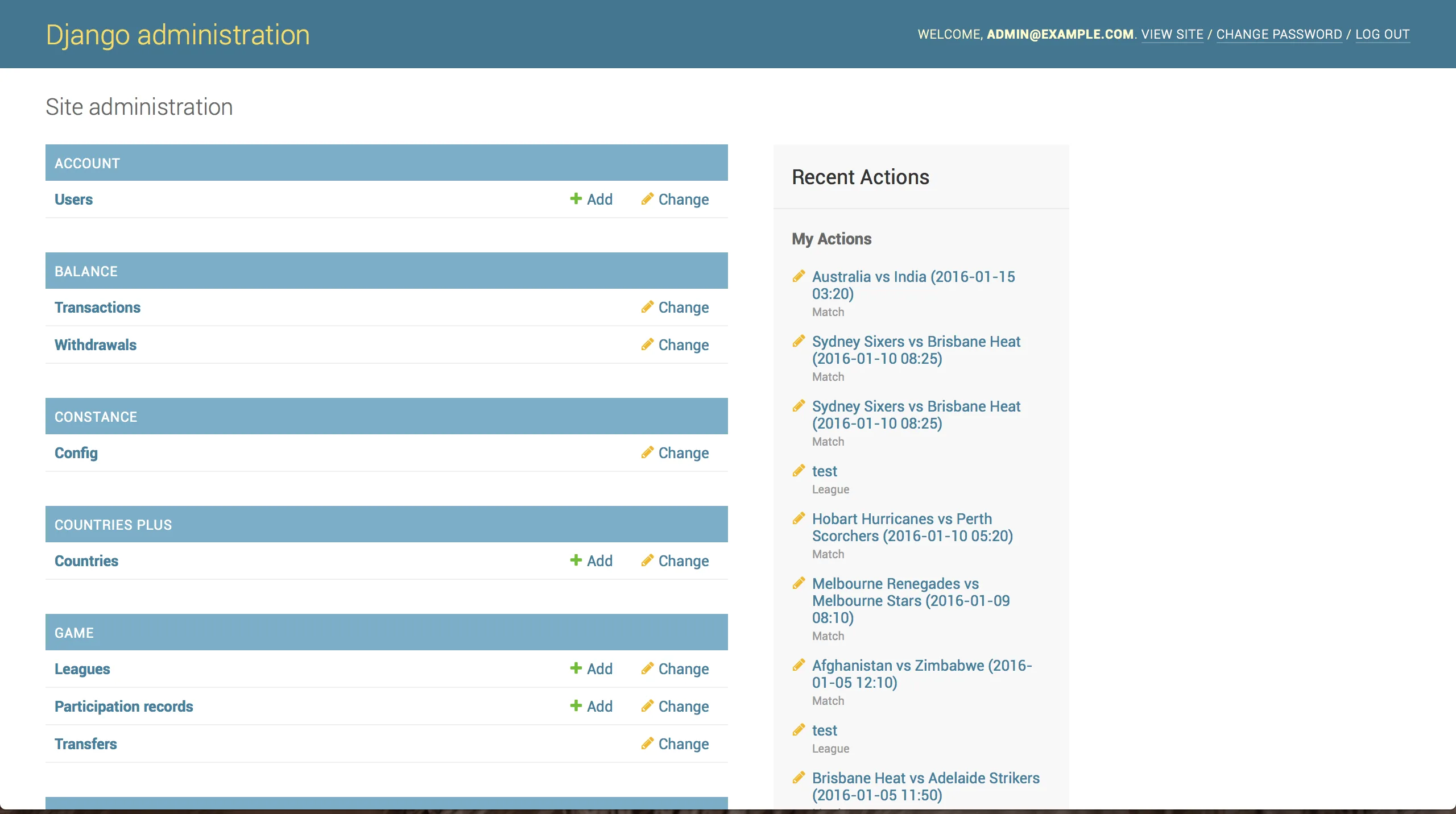
Built-in Administrative Interface
The inbuilt admin interface saves developers time by automatically generating a web-based admin module, streamlining the content management process.
- Quick Setup: Auto-generate admin interfaces for each of your projects easily.
- Custom Admin Panels: Tailor the admin interface to match application-specific requirements.
- User Management: Efficiently handle user roles and permissions out of the box.
Screenshots
Django: its rates
Open Source
Free
Customer reviews about Django
Appvizer calculates this overall rating to make your search for the best software easier. We've based it on user-generated verified reviews on industry-leading websites.